
2026-10-06 · Carlos Mendoza
Spotting Tree Root Damage in Ballast Point Drain Lines
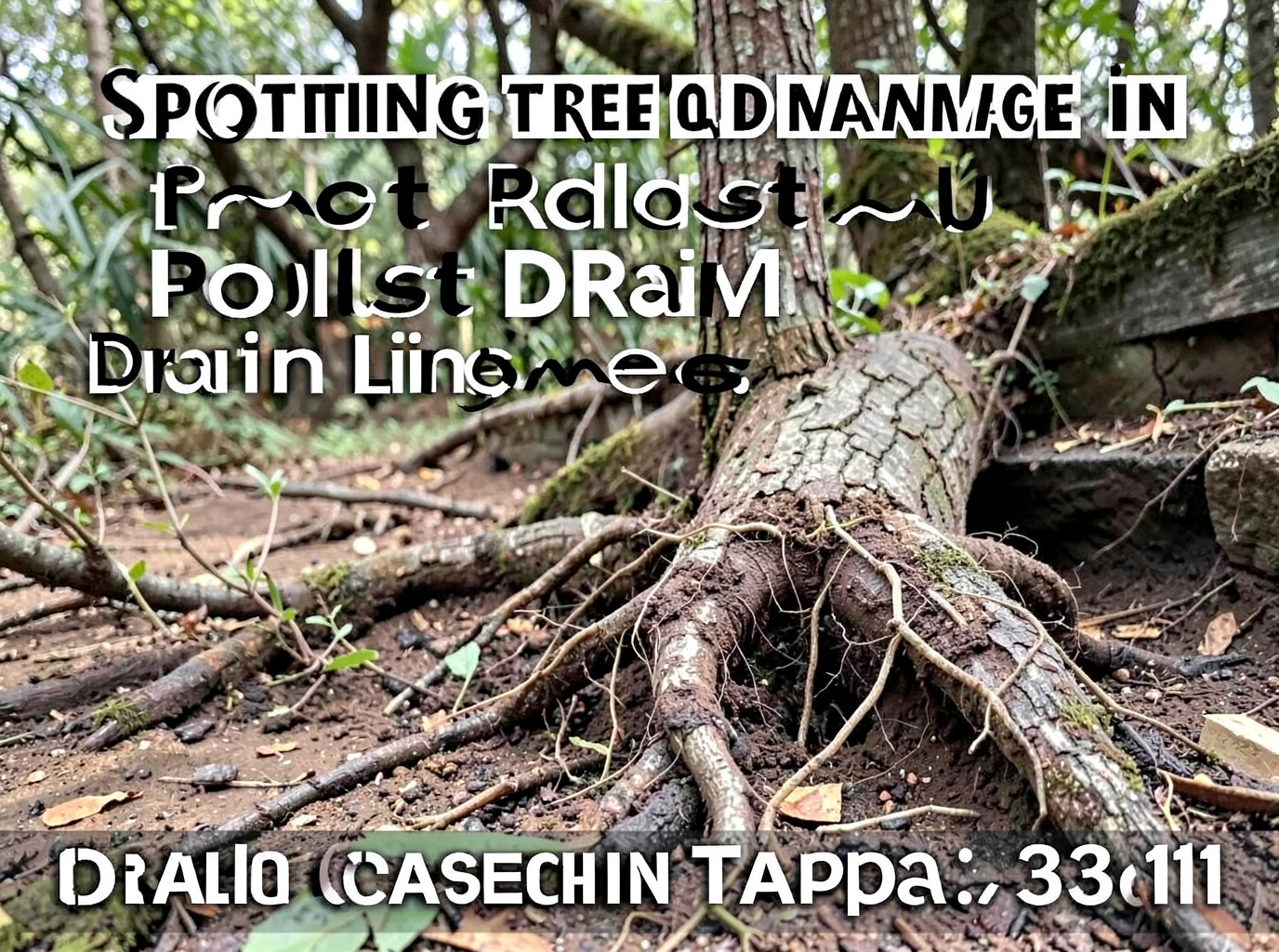
Tree root damage in Ballast Point drain lines typically appears as slow drainage in multiple fixtures or recurring backups after heavy rains, especially in homes built before 1970 where clay or cast iron pipes run near live oak and palm roots seeking moisture. These intrusions start small but expand quickly in the area's sandy soil and frequent wet-dry cycles, leading to cracked joints that allow roots to enter and grow.
Signs of Root Intrusion in Local Drain Lines
Ballast Point homes often feature mature trees planted decades ago near sewer laterals, making root entry a common issue along South MacDill Avenue corridors. Watch for gurgling toilets, water backing up in floor drains during storms, or sewage odors near cleanouts. In 33611 properties, these symptoms frequently trace to roots rather than simple grease buildup because the neighborhood's older housing stock uses smaller-diameter pipes that roots penetrate faster. Multiple fixtures clogging at once points to a main line problem rather than isolated clogs in kitchen or bathroom sinks.
Why Ballast Point's Terrain and Trees Increase Risk
The neighborhood's proximity to Tampa Bay creates high water tables that encourage roots to spread aggressively toward underground pipes, particularly in yards with established live oaks whose roots can travel 30 feet or more. Sandy soils common in the 33611 zip code shift during summer rains, cracking older joints and giving roots an entry point. Unlike newer subdivisions in Riverview FL, Ballast Point's pre-1980 construction often lacks modern root-resistant materials, so damage shows up after 8–12 years of root growth once pipes reach the end of their service life.
Confirming Damage with Camera Inspection
A drain camera inspection reveals root masses inside the line, their location relative to trees, and pipe condition without excavation. In Ballast Point, technicians often find roots concentrated 10–20 feet from the cleanout where laterals pass under driveways or near sidewalks. This method distinguishes root intrusion from other causes like collapsed sections in older Tampa properties. Homeowners see the footage in real time, noting exact spots where roots have infiltrated joints.
Steps to Address Identified Root Damage
Once roots are confirmed, hydro jetting clears the immediate blockage and cuts small roots, though regrowth occurs within 12–24 months without follow-up treatment. For severe cases in 33611 homes, pipe lining or sectional repair targets damaged areas while preserving landscaping. Regular camera checks every 18–24 months help track progression in tree-heavy yards. Linking to resources on factors affecting drain cleaning time in older Tampa properties explains why root jobs take longer than standard clogs due to the need for precise cutting and debris removal.
Prevention Tips for 33611 Homeowners
Plant new trees at least 20 feet from known lateral routes and choose species with less aggressive root systems. Schedule annual inspections if your Ballast Point property has multiple large oaks or shows prior root issues. Avoid chemical root killers that can damage septic systems or violate local wastewater rules; mechanical removal paired with camera verification remains the reliable approach for sustained results in the Tampa 33611 area.